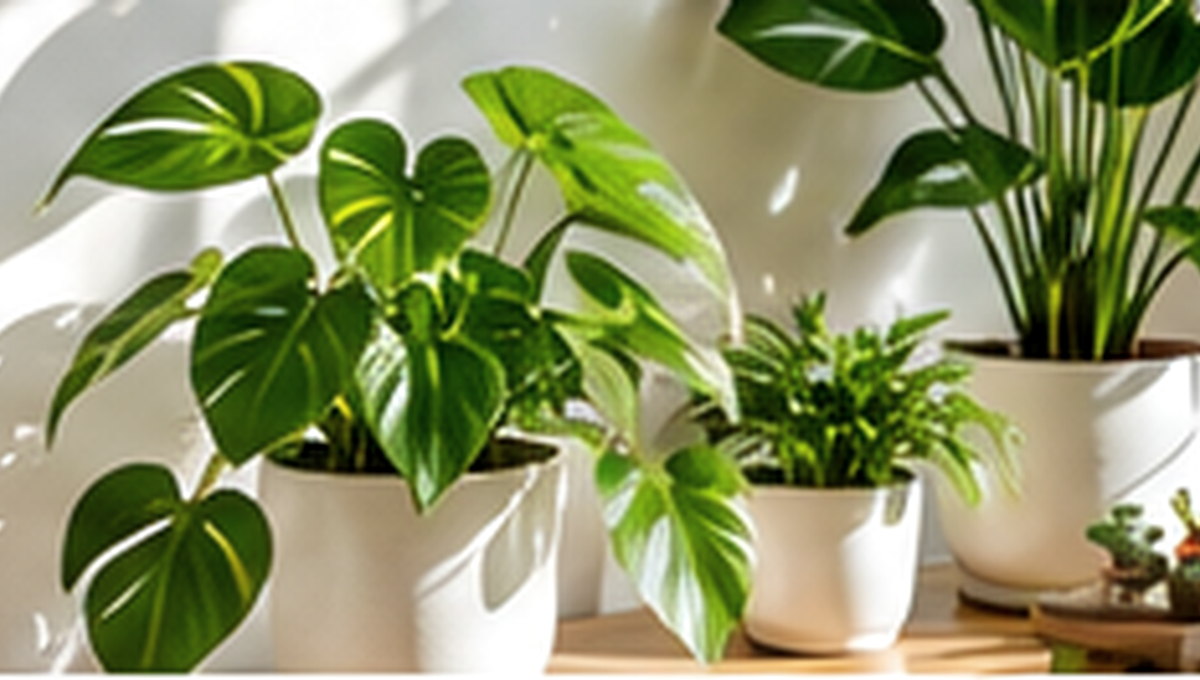
Plants in containers can experience conditions very differently from those growing in the ground. Roots are exposed to changing temperatures, pots dry out unevenly and a sunny balcony can become intensely hot. The best response is to observe each plant and adjust the growing conditions rather than follow a fixed watering calendar.
Check the potting mix before watering
Use a finger or a suitable moisture check to understand whether the mix has dried beneath the surface, taking care around any plant irritants. Different plants have different water needs, and water can run down the sides of very dry mix without reaching the roots. Follow appropriate horticultural guidance for the species and ensure water can drain safely. Constantly wet conditions may be just as harmful as insufficient watering.
Move vulnerable pots out of extreme exposure
Where safe and practical, place suitable pots where they receive shade during the hottest part of the day. Keep them stable and do not create hazards on balconies or stairs. Avoid moving a plant from deep shade into intense direct sun without considering whether it can tolerate the change. Observe the plant rather than assuming every species responds in the same way.
Consider the container
A small pot has less growing medium and may dry more quickly than a larger suitable container. Dark surfaces can heat in direct sun, while drainage design affects moisture. Changing pots can help in some situations, but repotting during stressful weather may create additional problems. Choose appropriate materials and dimensions for the plant and available space.
Use mulch and shade thoughtfully
A suitable mulch layer can help moderate moisture loss for some container plants, but keep it clear of stems as advised for the species. Check that any temporary shade cloth is securely installed and allowed under building rules. In strong winds, an improvised screen can create a bigger problem than the sun it was intended to block.
Learn from one season
Notice which positions stay cooler, which pots dry rapidly and which varieties seem content in your conditions. A small notebook or phone photo can be more helpful than another general online list of 'indestructible' plants. Local nurseries can suggest species that suit your climate and exposure, including Australian natives appropriate to containers.